

1 retinol acetate
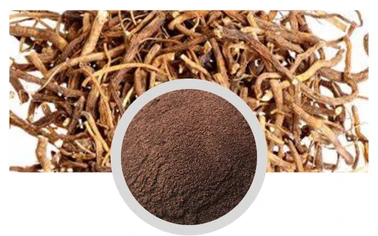
Why formulators keep asking for Trans-Resveratrol 98% Powder Polygonum Cuspidatum Extract Skin Care Factory Supply I’ve toured more than a few extraction facilities in the past decade, and—honestly—there are only a handful of actives that still get R&D teams properly excited. Trans-resveratrol is one of them. It’s clean, familiar to regulators, and increasingly backed by sensible stability data for topical use. In fact, when a product manager tells me they need fast-turn anti-oxidation support with real specs, I end up pointing to Trans-Resveratrol 98% Powder Polygonum Cuspidatum Extract Skin Care Factory Supply more often than not. What’s trending in 2025 Formulators are moving from generic “polyphenol blends” to single-ingredient actives with traceable origin and quantifiable trans:cis ratios. Clean-label claims are expected, but so are defendable test methods (HPLC over UV, please). There’s also a nudge toward smaller particle sizes for serum clarity and better dispersion—practical details that separate a good lab day from an annoying one. Quick spec snapshot Active Trans-Resveratrol ≈98% (HPLC) Botanical source Polygonum cuspidatum (primary); Vitis vinifera L. (alternative) Grades available 2%, 5%, 10%, 50%, 98% (HPLC) Appearance / mesh Off-white to white powder; 80–200 mesh options Trans:cis ratio ≥98:2 (typical, HPLC) Residual solvents Ethanol only; complies with ICH Q3C limits Heavy metals / micro Pb/Cd/Hg/As <10 ppm total (ICP-MS); TAMC <1,000 cfu/g; Yeast/Mold <100 cfu/g Packaging / shelf life 25 kg fiber drum; 24 months sealed, cool & dry Origin Building 23B1, No.2 Yuanboyuan St., Zhengding Area of China (Hebei) Pilot Free Trade Zone Process flow (how it’s made, briefly) Materials: dried Polygonum cuspidatum root; food-grade ethanol; purified water. Methods: ethanol extraction → filtration → concentration → crystallization → solvent switch/polish → drying → milling/sieving → final HPLC assay. Testing standards: HPLC assay; ICP-MS for metals; microbiology per ISO methods; residual solvents per USP <467>. Real-world stability: most serums show good color hold 3–6 months at room temp; airless packs perform best, which isn’t shocking. Where it fits Skin-care serums and boosters (1,000–5,000 ppm active, formulas vary) Anti-aging creams with vitamin C or ferulic acid synergy Sun-care aftercare gels (calming/antioxidant positioning) Nutricosmetics and premium nutraceuticals (labeling differs by market) Many customers say the dispersion is easier when pre-slurried in propanediol or ethanol, which matches our lab notes. And yes, it can tint slightly in high-pH systems—buffering helps. Why this factory supply stands out Consistent HPLC purity with batch CoAs back to the farm lot ISO 9001, ISO 22000, HACCP; Kosher/Halal available Customization: mesh size, granulation for tablets, low-odor polish, clean-label solvent path Lead time: usually 5–10 business days ex-warehouse (seasonality can nudge this) Vendor comparison (real-world) Criteria Finutra (Factory) Trader A Small Mill B Purity (HPLC) ≈98–99% ≈95–98% ≈90–96% Trans:cis control ≥98:2 typical Not always specified Varies by lot Traceability Full farm-to-drum Partial Limited Regulatory docs CoA, SDS, TDS, IFRA note on request CoA only CoA (basic) Test data (typical lot) HPLC assay: 98.5% trans-resveratrol; trans:cis 99:1; metals total <5 ppm; residual ethanol 1,200 ppm; TAMC 100 cfu/g; Yeast/Mold <10 cfu/g; PAHs meet EU cosmetic guidance. Real-world use may vary, but these numbers are steady across recent batches. Case notes from the field A mid-size EU skin-care brand swapped to Trans-Resveratrol 98% Powder Polygonum Cuspidatum Extract Skin Care Factory Supply for a C+Resveratrol daytime serum. Color stability improved in airless packs; claim support got clearer thanks to HPLC data. Another client used the 10% grade in gummies (interesting choice), reporting better flavor neutrality after a granulation tweak. Standards and compliance Manufactured under ISO 22716-aligned cosmetic GMP and ISO 9001 systems Testing references: USP <467> residual solvents; ICP-MS metals; ISO microbiology Ingredient listing per EU CosIng; safety positioning informed by EFSA assessments (for ingestible forms) Citations PubChem. Resveratrol (trans-). NIH Database. EFSA Journal. Safety of trans-resveratrol as a novel food (2016, updates as applicable). ISO 22716: Cosmetics—Good Manufacturing Practices (GMP). USP <467> Residual Solvents; USP General guidance for botanical articles. EU CosIng Database. Ingredient: Resveratrol.
Finutra devotes to be an integrated supplier for global supply chain, we offer a
broad array of raw materials and functional ingredients
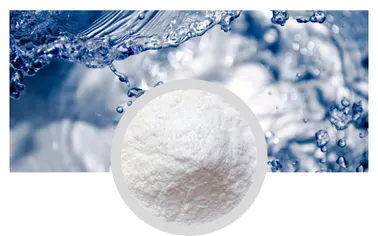
centella asiatica brightening
Asian Centella extract, a powerhouse natural ingredient, has taken the spotlight in the skincare industry, capturing the attention of dermatologists, beauty experts, and skincare enthusiasts alike. This extract, derived from the plant Centella asiatica, is renowned for its therapeutic properties and has been lauded for centuries in traditional Asian medicine. Its surge in popularity in recent year
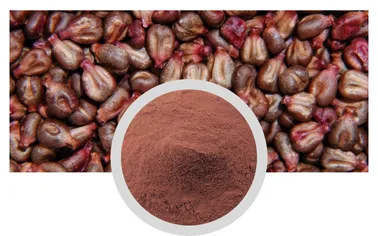
diosmin hesperidin tablete
Micronized diosmin hesperidin is an intriguing compound gaining significant popularity in health and wellness circles for its potential benefits . This flavonoid complex, primarily derived from citrus fruits, has opened new avenues in treating circulatory disorders and enhancing vascular health. As a unique combination of natural bioflavonoids—diosmin and hesperidin—it offers synergistic effects t
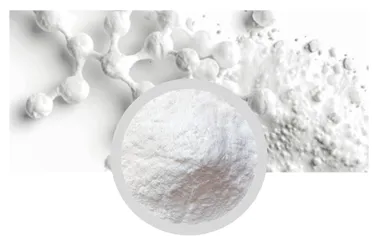
coenzyme q10 supplement
Introduction to Coenzyme Q10 Raw Material for B2B Applications In the rapidly evolving nutraceutical and cosmeceutical sectors, the demand for high-purity, bioavailable active pharmaceutical ingredients (APIs) is paramount. Among these, Coenzyme Q10 CoQ10 Powder Raw Material Cardiovascular Health Antioxidant Skin Care stands out as a critical ingredient. Known for its indispensable role in cellula
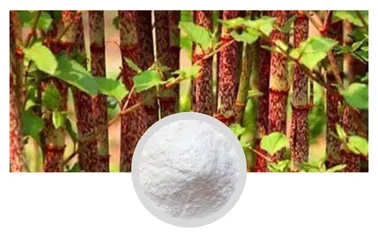
vitamin a palmitate price
Diosmin, a naturally occurring flavonoid commonly extracted from citrus fruits, has gained considerable attention in recent years for its potential health benefits. This compound is particularly noted for its application in vascular health, often found in dietary supplements aimed at addressing conditions like chronic venous insufficiency and hemorrhoids. However, its uses and benefits extend beyo

orange fruit peel powder
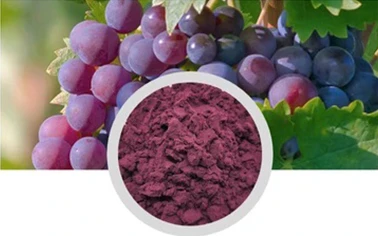
Grape skin extract powder is a natural powerhouse packed with antioxidants, vitamins, and polyphenols. These compounds are known for their ability to fight oxidative stress and protect cells from damage. Derived from the skins of grapes, this extract offers numerous health benefits, from supporting cardiovascular health to improving skin vitality. One of the most potent antioxidants in grape skin
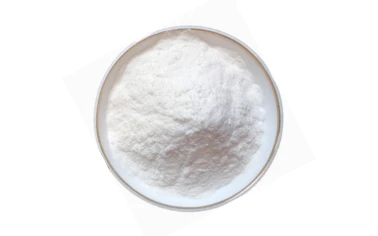
apigenin in celery
Apigenin 500mg is a rising star in the world of natural supplements, largely due to its potential health benefits and growing validation from scientific research. Derived from various plants, including parsley, chamomile, and celery, apigenin is a type of flavonoid that has been the subject of increasing interest among nutritionists and health enthusiasts alike. This article aims to explore the un
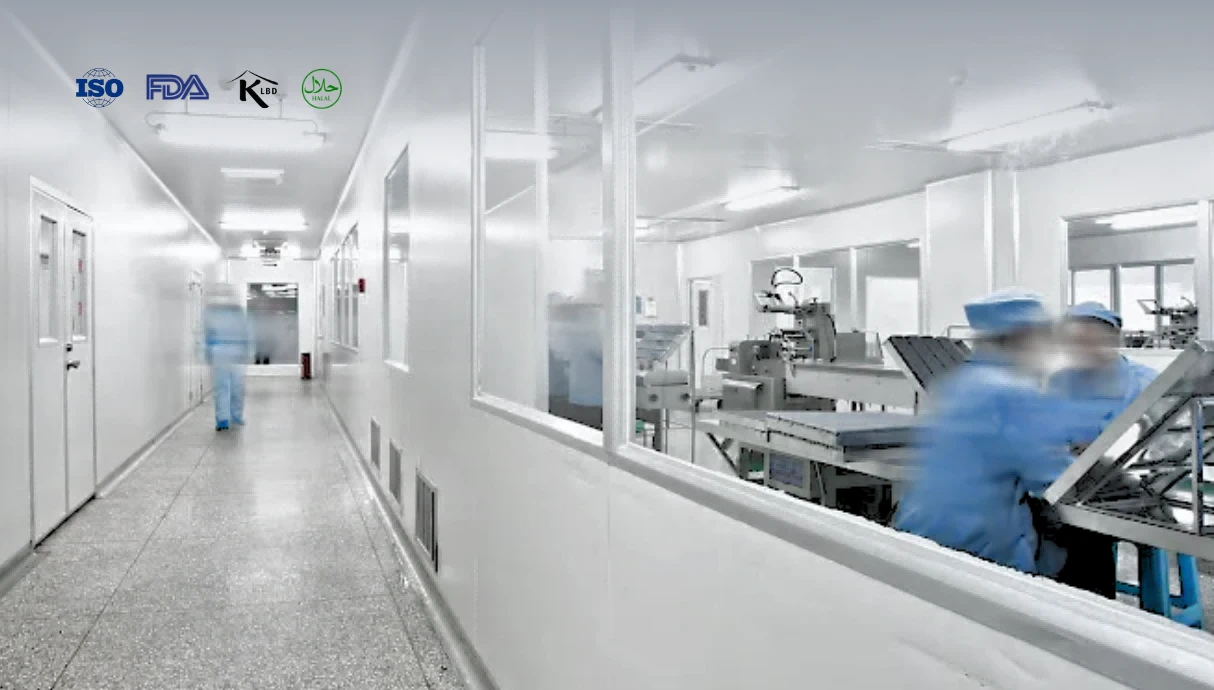
Authoritative Certification
Continuous Innovation, Customer First
Enhance core competitiveness to bring customers better products and services,
Each of these is the result of our team's relentless pursuit of excellence
and our deep commitment to social responsibility.


Global
Reach
FINUTRA has over 350,000 square feet of manufacturing and warehouse
space worldwide.

Industries We Serve
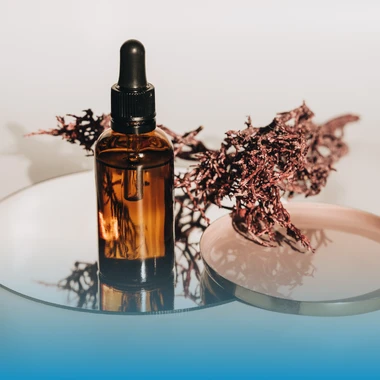

Advanced molecular distillation and microencapsulation
technology. Extremely bioavailable
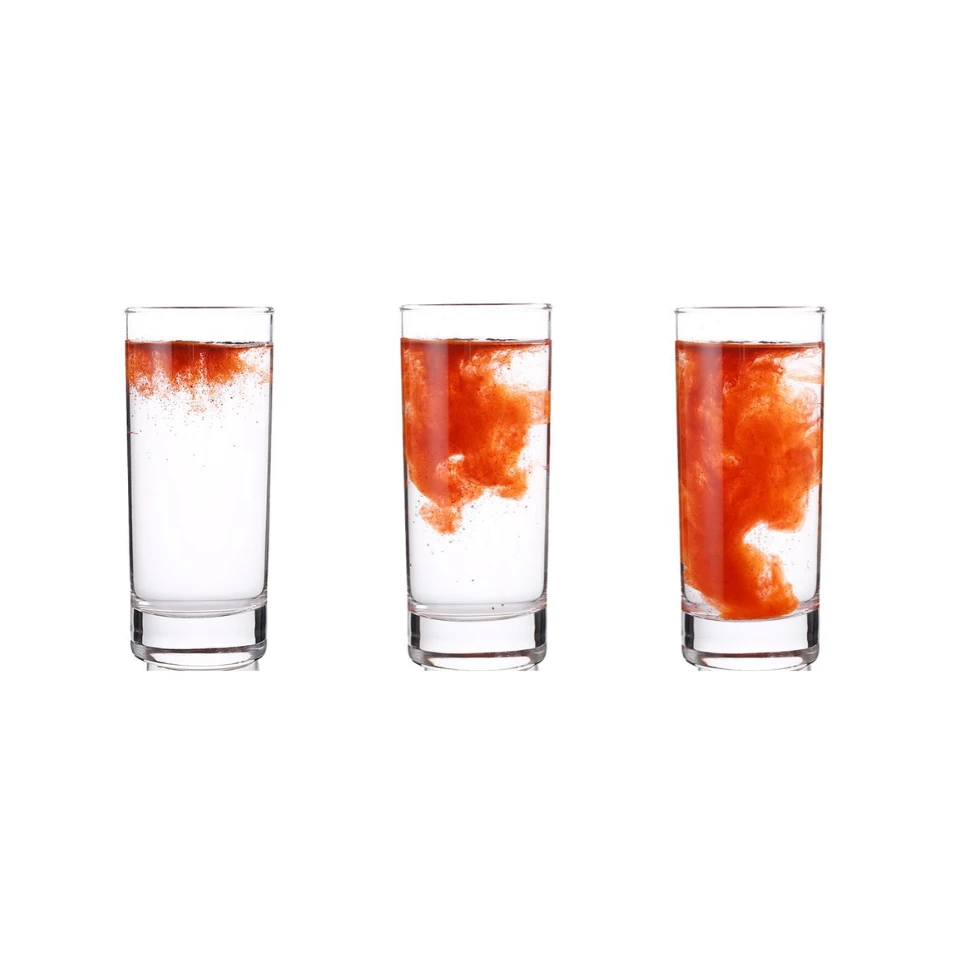
trace carotenoids Intuitively soluble.
STAY UPDATED
Receive special offers and first look at new
products.
products.


Building 23B1, No.2 Yuanboyuan St., Zhengding Area of China (Hebei) Pilot Free Trade Zone
QUICK LINK
Finutra devotes to be an integrated supplier for global supply chain, we offer a broad array of raw
materials and functional ingredients as a manufacturer, distributor and supplier for global Beverage,
Nutraceutical, Food, Feed and Cosmeceutical.
Copyright © 2025 Hebei Finutra
Biotech Co.,
Ltd. All
Rights Reserved.
Privacy Policy


